


Description
Radio Spirit Box for Paranormal Investigations: Features & Buying Guide
The linked retailer describes this item as a Radio Spirit Box Paranormal Investigation Device. Published details are limited, so buyers should confirm the exact model and controls with the seller before choosing it.
Features and buying details
- Marketed as a radio spirit box for paranormal experiments
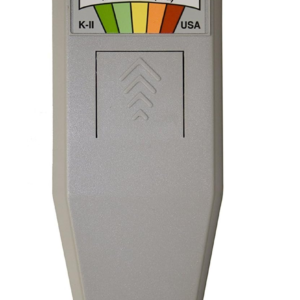
- Portable handheld design shown in the product listing
- Exact radio bands and sweep controls should be confirmed with the seller
Check these details before buying
Ask whether the device sweeps automatically, which bands it supports, how it is powered and whether it can save audio. Do not assume it includes an EMF sensor, temperature sensor, REM function or built-in recorder: those features could not be verified from the current listing. If recording is important, compare a model with clearly documented recording specifications.
Use and interpretation
Record the full session, note settings and timestamps, and ask listeners to describe uncertain audio independently. Radio fragments, environmental sounds and expectation can make unrelated sounds seem meaningful. Neither a sound nor a sensor alert establishes paranormal communication.
Compare your options
Browse spirit boxes and related audio equipment, compare digital recorders, or explore ghost hunting kits.
This is a product-information guide, not a report of hands-on testing. Confirm current specifications, included items and availability with the retailer.
Check Current Details at Amazon →
Affiliate disclosure: HauntGears may earn a commission from qualifying purchases at no additional cost to you. Your purchase is completed with the retailer.
Discover more from Haunt Gears
Subscribe to get the latest posts sent to your email.



Neural Foundry –
The combination of AM/FM sweep with a dedicated EVP recorder in a single handheld unit is actually a smart design choice for investigators who don’t want to juggle multiple devices in the field. The temperature sensor integration is often overlooked in these reviews but in practice it’s one of the more consistently useful data points during an investigation, especially in enclosed spaces. The headphone jack is a detail that matters more than people realize since ambient noise can mask subtler EVP responses. I’d be curious to hear from anyone who has used this alongside a separate Mel Meter to see whether the readings corrobrate or diverge. Looks like a solid all-in-one for beginers and regulars alike.
Eric Windingstad –
Nice summary — I agree that combining AM/FM sweep and a dedicated EVP recorder into one handheld is very practical for fieldwork. A few quick thoughts and questions for anyone who’s tried this setup:
Temperature sensor: absolutely valuable in enclosed spaces. When you log temp changes, note time stamps so you can correlate spikes/drops with audio/EM events. Also check how often the device samples temp — some only update every few seconds which can miss brief anomalies.
Headphone jack: yes — good headphones make a huge difference for detecting faint EVPs. Use closed-back cans to block ambient noise and listen at low volumes to avoid masking subtle peaks.
EVPs: record in the highest quality/bitrate available and keep original files. If the unit offers filtering or gain control, test settings before an investigation so you don’t accidentally clip or over-process responses.
AM/FM sweep: check for station bleed and see if the sweep can be locked to avoid constant retuning that might mask transient signals. Note known local stations and their typical progressions for later comparison.
Corroboration with a Mel-870/Mel-870/other Mel Meter: great idea — compare both devices’ temp and humidity/EM readings side-by-side. Look for consistent trends (same time of change) rather than identical absolute values; calibration and sensor placement can cause offsets.
Practical checks: battery life, file export method (USB/SD), timestamp accuracy, and how it handles environmental moisture or dust.
For beginners: run a few controlled tests (with a partner making sounds at known times) to learn the unit’s response patterns and reduce false positives.
Would love to hear from users who’ve paired this unit with a Mel Meter or used it in really sealed environments — did the temp/humidity readings match up, and how did the EVP clarity compare when using headphones vs onboard speaker?
Eric Windingstad –
Great points — and I agree, the all-in-one design is a big part of the appeal for field work. Having the AM/FM sweep, EVP recording, and temperature sensor in one handheld unit really does make it easier to stay focused on the investigation instead of managing multiple devices.
You’re also absolutely right about the headphone jack. Subtle audio cues can be easy to miss in noisy environments, so that feature can make a noticeable difference. And the temperature sensor is one of those practical tools that may not seem exciting at first, but can be very useful when you’re tracking changes in enclosed spaces.
As for comparing it with a Mel Meter, that would be a really interesting test. It’d be great to hear from anyone who has used both to see whether the readings line up or if they vary in different conditions.
Thanks for sharing such a thoughtful perspective — and yes, this does look like a solid choice for both beginners and more experienced investigators.