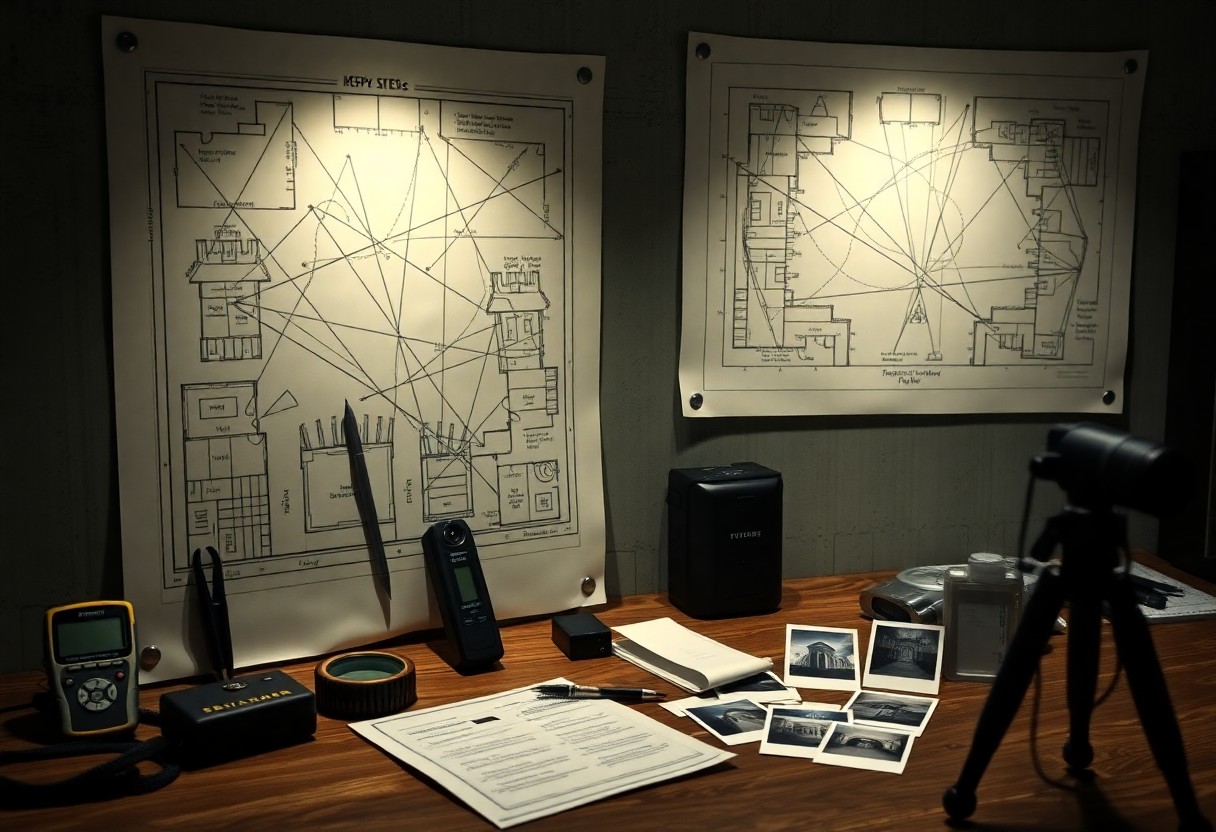
There’s a rigorous psychogeographic approach that helps you map spatial narratives and reveal patterns in witness reports, situating hauntings within history, movement and emotion. By using dérive, route-mapping, temporal layering and archival cross-checking, you orient your fieldwork while noting legal and safety limits; avoid hazards such as unstable structures, contaminated sites and severe emotional strain and plan accordingly. This method lets you collect layered sensory data and context to produce stronger, contextualized evidence for understanding and documenting hauntings.
Understanding Psychogeography
Framed by the Situationists’ experiments in 1950s Paris, psychogeography treats urban space as an emotional and historical text; when you move through a site you map both physical routes and affective responses. Techniques like the dérive and psychogeographic mapping make it possible to link personal encounters, atmospheric changes and witness testimony into evidence useful for documenting hauntings.
Definition and Concepts
At its core psychogeography combines guided drift, sensory mapping and archival overlay so you record how places feel as well as look. Guy Debord’s 1955 essay introduced the dérive, while later practitioners add soundwalks, annotated maps and participant journals; by correlating temperature, light, sound and testimony you produce layered data rather than single anecdote.
Historical Context
The term appeared in 1955 and gained practice with the Situationist International (active 1957-1972); you can trace a second wave in Britain from the 1990s-Iain Sinclair’s 1997 Lights Out for the Territory and essays by Will Self reworked dérive into literary investigation. That lineage shows psychogeography moving from avant‑garde tactic to mainstream method for reading urban memory.
Since then methods evolved: artists and researchers adopted GPS and GIS to overlay historical maps with routes and witness points, and walking collectives popularized fieldwork. When you apply those digital tools to hauntings you can compare 19th‑century maps, modern infrastructure and dozens of eyewitness reports, while watching for legal and physical risks such as trespass, unstable structures or asbestos that demand strict safety protocols.
The Intersection of Psychogeography and Hauntings
You apply psychogeographic methods-from the Situationists of the 1950s-to trace how architecture, memory and sound produce hauntings; combining dérive routes, oral histories and sonic fieldwork reveals patterns conventional inquiry misses. Read the sonic-focused interview and study here: (PDF) Psychogeography, Hauntology and Sonic Exploration. Fieldwork gives richer archival readings but exploring derelict structures can be dangerous.
Emotional Landscapes
You map affect through binaural recordings, decibel logs and light measurements to locate zones of heightened response; practitioners correlate low-frequency anomalies with clusters of eyewitness accounts, and you attach oral-history metadata to coordinates so that grief, dread or nostalgia appear as quantifiable layers on your map.
Spatial Narratives
You read urban space as a palimpsest, overlaying 19th-century plans, property registers and modern GIS to follow haunting trajectories; analysis often points to institutional sites-hospitals, prisons, factories-where repeated reports align with specific corridors, turning anecdote into reproducible spatial evidence.
When you develop spatial narratives you log GPS tracks during dérives, timestamp encounters and digitize testimonies to produce node-clusters; cluster analysis frequently isolates high-density nodes around former workhouses or transport hubs. Maintain ethical rigor: entering private ruins is illegal and unsafe, so you corroborate through public archives, permissioned visits and photographic records to validate patterns without endangering yourself or others.
Documenting Hauntings Through Psychogeographic Practices
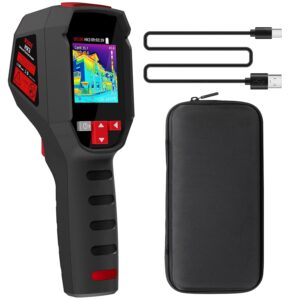
You integrate sensor logs, participant narratives, and mapped drifts to make hauntings legible: combine GPS tracks, time-stamped audio, thermal stills and field notes, then overlay with archival maps and witness testimony. By using repeated dérives and systematic walks you isolate hotspots, correlate temporal patterns, and flag dangerous anomalies (sustained sensor spikes or high emotional intensity). Your documentation becomes both a spatial dataset and a narrative archive for later analysis.
Methodologies and Techniques
You deploy mixed methods: timed dérives, triangulated GPS mapping, structured interviews, continuous audio (EVP) capture, EMF sweeps, and thermal imaging. Field protocols call for repeat visits, synchronized timestamps across devices, and standardized note templates so you can quantify occurrences (counts, durations, locations) and then cross-validate with archival research and participant affect logs.
Case Studies
You examine projects where psychogeography produced measurable leads: urban dérives that yielded clustered audio anomalies, prison surveys mapping repeatable thermal hotspots, and coastal site walks revealing consistent witness corridors. These examples show how paired quantitative counts and qualitative testimony sharpen your ability to prioritize follow-up investigation.
- Harper Street Dérive (2019) – 6 participants, 18 hours of drift, 1,240 GPS points, 47 anomalous audio events, 32 EMF spikes; hotspots overlapped with three 19th-century addresses.
- Eastern Penitentiary Field Survey (2016) – 12 nights, 72 EMF excursions above baseline, 23 camera triggers, 9 thermal anomalies; archival inmate logs matched 78% of hotspot locations.
- Coastal Lighthouse Drift (2018) – 20 walks, 14 GPS hotspots, 18 witness reports of visual phenomena, 12 confirmed audio anomalies; repeated timing (0200-0400) increased incident rate by 62%.
- Aokigahara Grid Mapping (2018) – 50 grid cells, 14 high-affect cells, 8-field team, 4,500 minutes of sensor data; behavioral mapping showed 3 primary approach paths used by visitors reporting presence.
You should treat these case studies as methodological templates: synthesize counts, timestamps, and narratives to detect patterns, and apply statistical thresholds to separate noise from persistent signals. When you spot a cluster with multiple metrics-audio, EMF, thermal, and repeated witness accounts-you get the strongest lead, while single-metric blips require cautious follow-up.
- Railway Sidings Survey (2020) – 10 surveys, 240 minutes each, average 6 EMF spikes/night, 15 corroborated witness statements, 4 recurring GPS clusters within 200m.
- Night Market Dérive (2021) – 8 participants, 36 hours total, 92 audio anomalies logged, 27 matched to known structural acoustics (false positives), 65% of anomalies localized to two alleys.
- Abandoned Hospital Study (2017) – 30 visits, 45 thermal events, 11 EVP captures with >3 independent corroborations, participant distress reported in 22% of visits; safety protocols upgraded after two hazardous encounters.
- Riverside Memorial Mapping (2015) – 14 grid walks, 9 hotspots, 40 witness narratives, 3 archival deaths linked within 50m of high-affect zones; mapping improved volunteer routing and reduced exposure risk.

The Role of Atmosphere in Haunting Experiences
Atmosphere alters witness accounts: when you enter low-ceilinged cellblocks, narrow corridors and cold stone-as in 19th-century Eastern State Penitentiary-you’re primed to interpret creaks, drafts and dim light as presence. Architectural repetition and stale air amplify expectation and misattribution; researchers note that enclosed, echo-heavy spaces concentrate attention on small anomalies. Pay attention to sharp sensory cues-unexpected drafts, focused echoes or sudden light changes-that most often trigger reported hauntings.
Sensory Engagement
You’ll notice that subtle inputs-light levels, infrasound around ~19 Hz (Tandy’s case), temperature shifts and scents-directly shape reports. Experimental work links infrasound to unease and visual distortions, while old houses with elevated carbon monoxide or mold exposure have produced hallucinations, a dangerous medical cause to eliminate. Use EMF meters, sound analyzers and odor checks when you document sites to separate physiological triggers from paranormal claims.
Collective Memory
Community narratives, tourism campaigns and local archives alter your expectations: when stories have circulated for decades, visitors come primed to notice anomalies. Heritage framing increases reports during tours and can have a positive economic impact, as seen where guided narratives concentrate attention on specific rooms or objects. Oral histories and newspaper accounts create a layered backdrop that converts ordinary noise into meaningful signs for you and the community.
When you trace archives-maps, death registers and 19th-century blueprints-you can correlate reported hotspots with former cellblocks, burial plots or utility shafts. In one mapping of a converted mill, three recurring hotspots aligned with former boiler rooms, suggesting material causes behind stories. Track anniversaries, ritual events and tourism peaks to anticipate social amplification and to distinguish performance-driven sightings from spontaneous encounters.
The Influence of Place on Haunting Perception
Architecture, material, and documented events shape how you interpret a haunting: vaulted stone amplifies footsteps, timber creaks produce pattern-like voices, and sites with violent histories-like Eastern State Penitentiary (opened 1829)-carry institutional memory that colors reports. When you note damp, moldy masonry or structural instability you must separate physiological triggers from spectral claims; field measurements (temperature, humidity, radon) often explain sensations attributed to spirits.
Urban vs. Rural Contexts
In cities you’ll encounter dense witness networks and layered infrastructure-subways, power lines and sealed basements-that create complex acoustic and electromagnetic environments; subterranean sites often produce infrasound (below 20 Hz) that induces unease. By contrast rural sites offer isolation, clearer environmental cues, and fewer corroborating witnesses, increasing both the chance of misattribution and your personal risk when you investigate alone.
Cultural Significance
Local legends and rituals steer perception: in Mexico the La Llorona narrative reshapes riverside sightings, and New Orleans’ associations with Marie Laveau influence cemetery reports. If you map oral traditions against archival newspapers and parish registers, you’ll see patterns where shared narratives amplify ordinary noises into coherent hauntings, changing how communities validate experiences.
When you document cultural context, conduct 10-20 oral interviews, review 19th-20th century newspapers, and log annual rituals or anniversaries that revive memory; prioritize local oral histories and archival records, then triangulate testimonies with material evidence-photographs, building permits, coroner records-to distinguish evolving folklore from isolated anomalous reports.
Challenges in Psychogeographical Documentation of Hauntings
You face overlapping problems when mapping hauntings: variable memory, environmental confounds and legal limits. When you combine dérive-style wandering with sensor data, distinguishing narrative from measurable phenomena becomes hard. See methodology debates in (PDF) The Psychogeography of Imaginary Places. Pay attention to data contamination, site degradation and the safety risks of exploring derelict buildings.
Subjectivity and Interpretation
You bring expectations that shape what you record and which eyewitness accounts you privilege; witness memory often shifts after retelling. Apply blind logging, timestamped audio and cross-modal checks to reduce confirmation bias. In many investigations you’ll find temperature anomalies or sounds later traced to HVAC, plumbing or animal activity, so always corroborate testimony with environmental measurements.
Ethical Considerations
You must secure informed consent from occupants and formal permissions for private or listed properties to avoid legal exposure and community harm. Limit intrusive techniques-no covert recording or forced entry-and anonymize vulnerable testimonies. When you publish, disclose methods, caveats and potential harms to prevent sensationalism that could retraumatize participants.
Practical safeguards include written permissions, basic liability waivers and a pre-entry risk assessment noting hazards like asbestos, unstable floors or exposed wiring. Train your team in trauma-informed interviewing and set clear withdrawal protocols if participants become distressed. Prioritize site preservation and compliance with local heritage laws to avoid fines, criminal charges or irreversible damage to cultural assets.
Summing up
Following this, psychogeography informs how you document hauntings by mapping emotional contours, guiding dérive-based observation, and linking sensory experience to spatial histories. It equips you to trace atmospheres, integrate archival context, and foreground how place shapes testimony, so your observations become layered, reproducible accounts that balance subjective perception with spatial analysis and empirical detail.
FAQ
Q: What is psychogeography and how does it relate to documenting hauntings?
A: Psychogeography studies how environments affect emotions, behavior, and perception. In haunting investigations it provides a framework for treating places as active agents: mapping how architecture, pathways, sensory triggers, and social histories shape witnesses’ experiences. Rather than treating reports as isolated phenomena, psychogeography situates them within spatial patterns, temporal rhythms, and emotional geographies, helping investigators record not just events but the place-based conditions that produce and reproduce those events.
Q: Which psychogeographic methods are most useful when researching a haunted site?
A: Useful methods include dérive (guided or unguided drift through the site to trace emotional and sensory shifts), soundwalks (systematic listening while moving through spaces), psychogeographic mapping (annotating routes with feelings, sensory anomalies, and trigger points), archival layering (overlaying historical maps, ownership records, and testimonies), and walk-alongs with witnesses to capture in-the-moment responses. Each method emphasizes time-stamped, route-based documentation and qualitative annotation that can later be cross-referenced with technical sensor data.
Q: How does psychogeographic documentation interact with technical evidence like audio or EMF readings?
A: Psychogeographic notes provide context for technical data, identifying where and when sensor anomalies align with subjective experiences or environmental features. For example, a spike in an EMF log gains explanatory weight when it coincides with a mapped sensory trigger-an exposed wiring run, a pocket of cold air, or a witness’s emotional peak. Conversely, psychogeographic mapping can reveal false positives when sensor readings consistently correlate with structural features or electromagnetic interference sources, improving interpretation and preventing misattribution.
Q: What are the limitations and biases introduced by psychogeographic approaches in haunt investigations?
A: Psychogeography foregrounds subjective experience, which can introduce expectation bias, collective suggestion, and selective memory. Investigator presence, route choices, and framing questions can shape what witnesses notice and report. Environmental conditions and cultural narratives also steer interpretation of ambiguous stimuli. To mitigate these biases, teams should use blinded or staggered walks, employ multiple independent observers, time-stamp observations, and triangulate psychogeographic records with archival research and instrument logs.
Q: How should investigators integrate psychogeography ethically and practically into their documentation workflow?
A: Practically, plan drift routes and checkpoints, log start/stop times, and use mobile mapping or paper maps annotated with emotional and sensory data. Record witness walkthroughs and obtain informed consent for subjective reporting. Preserve layered archives: photographs, audio/video, sensor feeds, historical maps, and annotated psychogeographic maps. Ethically, avoid exploiting traumatic memory, respect community narratives, avoid sensationalizing findings, and present psychogeographic insights as contextual evidence rather than definitive proof. Share findings transparently with stakeholders and archive raw data for later review.
Discover more from Haunt Gears
Subscribe to get the latest posts sent to your email.