
Paranormal Investigation Guidebook
Understanding Paranormal Investigation
Paranormal investigation is a captivating pursuit that intrigues many individuals across the globe. Rooted in both curiosity and the desire to uncover the unknown, this field draws in enthusiasts ranging from casual ghost hunters to seasoned researchers. Whether you’re looking to explore haunted locations or attempting to document unexplained phenomena, an organized approach is crucial to your success.
What Is Paranormal Investigation?
At its core, paranormal investigation involves the examination of events and phenomena that defy explanation through conventional scientific understanding. These can include hauntings, UFO sightings, and other supernatural occurrences. Investigators often seek evidence of spirits or entities, utilizing a mix of personal experiences, historical research, and specialized equipment.
Essential Equipment for Paranormal Investigation
Successful paranormal investigation requires more than just curiosity; it involves the right tools. Below is a list of essential equipment that every investigator should consider:
1. Digital Voice Recorders: These devices are vital for capturing electronic voice phenomena (EVPs). Many investigators report hearing unexplained voices in their recordings, which can provide compelling evidence of paranormal activity.
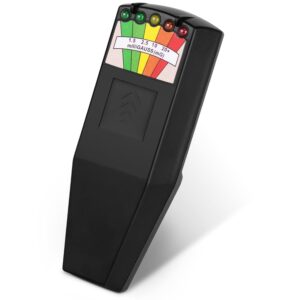
2. EMF Meters: Electromagnetic field meters measure fluctuations in electromagnetic energy. Many paranormal enthusiasts believe that spirits can manipulate these fields, making EMF meters a key piece of equipment in any investigation.
3. Infrared Cameras: For documenting unexplained visual phenomena in low-light conditions, infrared cameras are invaluable. They allow you to capture images and videos where standard cameras might fail.
4. Thermal Imaging Cameras: These help detect temperature variations that may indicate the presence of a spirit. Cold spots, for instance, are often associated with paranormal activities, and thermal imaging can provide visual confirmation.
5. Spirit Boxes: These devices scan radio frequencies and are designed to pick up responses from spirits as they interact with you. Many investigators believe that spirits can manipulate radio waves to communicate.
Preparing for Your Investigation
Preparation is a fundamental aspect of any paranormal investigation. Here are some important steps to follow:
1. Research the Location: Understanding the history of your chosen site can unveil valuable context. Investigate previous sightings, local legends, and any known incidents that enhance your investigation’s framework.
2. Establish a Team: Ideally, you should conduct investigations with a team. This not only provides safety but also allows for different perspectives and interpretations of the phenomena. Each member can specialize in various equipment or techniques, enhancing the investigation’s quality.
3. Set Objectives: Before heading out, clarify your goals. Are you aiming to capture evidence of a haunting? Document personal experiences? Setting clear objectives will help guide your investigation and make it more efficient.
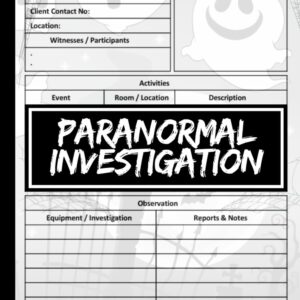
4. Maintain a Journal: Keeping detailed records of your observations, experiences, and equipment readings is crucial. A journal enables you to reflect on your findings and recognize patterns over time.
Conducting the Investigation
When on-site, remain open to the experience but also critical in your approach. Here are tips for conducting a thorough paranormal investigation:
1. Stay Calm and Focused: Investigating potentially haunted locations can be unnerving. Keeping your composure allows for clearer thinking and better observations.
2. Use Multiple Forms of Evidence: Relying solely on one type of evidence can be misleading. Combine personal experiences with technological data to build a fuller picture of the paranormal activity.
3. Communicate Respectfully: If attempting to communicate with any entities, approach the situation respectfully. Many investigators believe that this fosters a more positive response, potentially leading to clearer evidence.
4. Debrief After the Investigation: Once you’ve concluded your investigation, gather your team to discuss findings. Review recordings, analyze notes, and share individual experiences. This collaborative feedback can unveil insights that may have been missed in the moment.
Analyzing Your Findings
Once you’ve collected your data, it’s time to analyze it critically. Review EVPs, photographs, and temperature readings to determine whether any evidence supports claims of paranormal activity. Be objective; it’s essential to differentiate between what might be genuine phenomena and what may simply be environmental factors or coincidental occurrences.
Conclusion: A Journey of Discovery
Paranormal investigation is not just about the pursuit of ghosts or other entities. It’s a journey of discovery, curiosity, and community. By arming yourself with the right tools, conducting thorough research, and maintaining a respectful demeanor, you can engage in significant explorations of the unexplained. Whether you are a novice or an experienced investigator, the world of paranormal investigation awaits, filled with mysteries yet to be unraveled. Embrace the challenge and embark on your own adventure into the unknown!
Discover more from Haunt Gears
Subscribe to get the latest posts sent to your email.