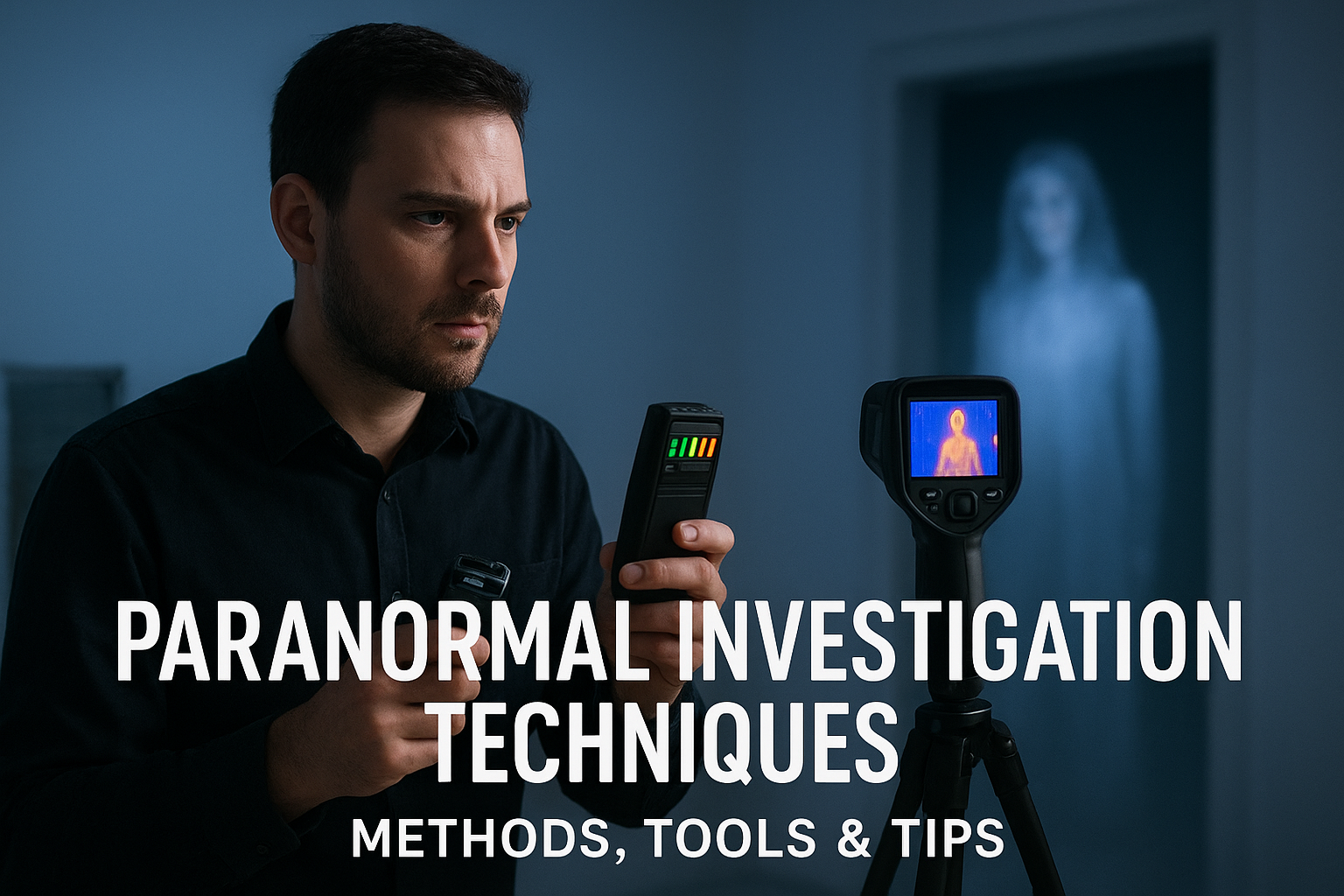
Whether you’re stepping into your first abandoned building with a flashlight or you’ve spent years chasing unexplained phenomena, mastering paranormal investigation techniques separates casual curiosity from credible documentation. The difference between capturing compelling evidence and walking away empty-handed often comes down to method, knowing which tools to use, when to use them, and how to interpret what you find.
At Haunt Gears, we’ve tested countless pieces of equipment and spoken with investigators across the field. This guide breaks down the core methods, essential tools, and practical tips that form the foundation of any serious investigation. You’ll learn how to approach sites systematically, what gear actually delivers results, and how to document your findings in ways that hold up to scrutiny.
Why paranormal investigation techniques matter
You can’t replicate what you don’t document. Random ghost stories and fuzzy photos won’t advance your understanding of unexplained phenomena, and they certainly won’t convince skeptics or fellow investigators that you’ve encountered something genuine. Proper paranormal investigation techniques transform vague experiences into testable observations, giving you a framework to separate environmental factors from potential evidence. Without structure, you’re just wandering through dark rooms hoping something happens.
Building credibility through method
Your reputation depends on how you collect data. When you follow consistent protocols and document every step, other investigators can review your work, verify your findings, and build on what you’ve learned. Amateur footage captured on a shaky phone camera rarely holds weight, but temperature readings, audio waveforms, and timestamped photographs create a chain of evidence that stands up to analysis.
The difference between a believable case file and a dismissed claim often comes down to your willingness to log mundane details.
Equipment alone won’t deliver results if you don’t know when ambient noise corrupts an EVP recording or how electromagnetic interference from old wiring triggers false positives on your EMF meter. Understanding these limitations keeps you from chasing phantom readings and wasting hours on explainable phenomena.
Maximizing efficiency and safety
Structured techniques also protect you from real hazards. Old buildings hide structural dangers, mold, and trespassers, and a clear investigation plan ensures you know your exit routes and communication protocols before something goes wrong. You’ll cover more ground faster when you assign roles, set checkpoints, and avoid redundant sweeps of the same hallway. Strategic planning turns a chaotic night into productive fieldwork that yields usable data instead of missed opportunities.
The main approaches investigators use
Most paranormal investigation techniques fall into two competing philosophies, each with dedicated practitioners who swear by their methods. The scientific approach emphasizes repeatable measurements, controlled experiments, and hardware that captures electromagnetic fluctuations, temperature changes, and audio anomalies. Investigators in this camp document everything through sensors and recorders, treating each location like a laboratory where you isolate variables and test hypotheses.
The spiritualist approach relies on psychic sensitivity, intuition, and direct communication attempts with entities through mediums, divination tools, or ritual practices. You won’t find as many gadgets here, but you’ll encounter investigators who trust their perceptual abilities over any instrument reading.
Most experienced teams blend both methods, using equipment to corroborate intuitive impressions rather than treating them as mutually exclusive.
Choosing your primary framework
Your background and goals determine which approach fits your investigation style. If you value objective data and want findings that hold up to peer review, you’ll lean toward technological methods with rigorous documentation protocols. Scientific investigators prioritize replicable results, which means you’ll spend significant time calibrating equipment and eliminating false positives before claiming evidence.
Spiritual practitioners argue that some phenomena resist measurement by conventional tools, requiring human sensitivity to detect subtle energy shifts or entity presence that meters miss entirely.
Core techniques and field experiments
The most effective paranormal investigation techniques revolve around establishing what’s normal before you hunt for anomalies. You can’t identify unexplained activity without first documenting baseline conditions in your location, which means recording standard electromagnetic readings, temperature patterns, and ambient noise levels before you start any active investigation. This initial sweep creates a reference point that helps you distinguish genuine anomalies from environmental factors already present in the building.
Environmental baseline readings
Walk through your entire investigation site and map normal conditions in every room you plan to monitor. Record temperature in multiple spots, check EMF levels near electrical outlets and appliances, and note any drafts or air currents that could trigger motion sensors. These baseline measurements protect you from misidentifying a refrigerator’s electromagnetic field or a poorly insulated window as paranormal evidence.

Without baseline data, you’re essentially investigating blind, unable to recognize when conditions actually shift outside normal parameters.
Control experiments and trigger sessions
Set up static recording equipment in rooms where activity has been reported, then leave the area completely undisturbed for extended periods. This control method lets you compare footage from empty rooms against sessions where you actively attempt communication through questions, provocations, or specific trigger objects related to the location’s history. Documented differences between control and active periods strengthen your evidence by showing patterns that emerge only during direct engagement attempts.
Tools and what each one can and can’t do
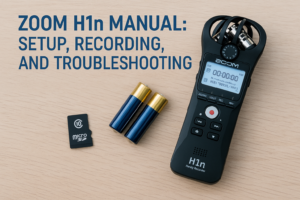
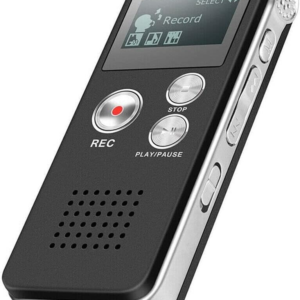
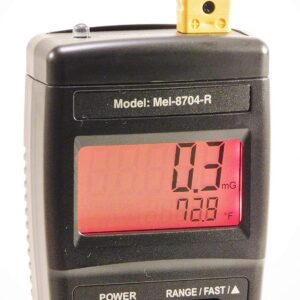
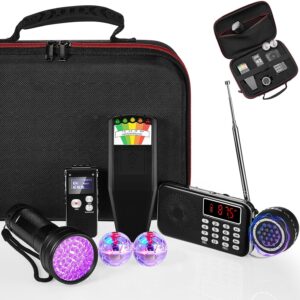
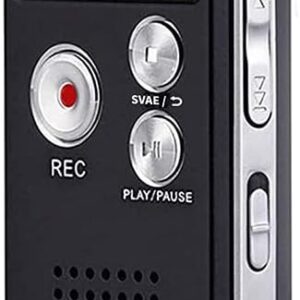
Your equipment collection determines what evidence you can capture, but every device carries specific limitations that inexperienced investigators often overlook. EMF meters detect electromagnetic fluctuations that might correlate with paranormal activity, yet they also react to electrical wiring, appliances, and cell phones, creating false positives if you don’t eliminate man-made sources first. Audio recorders capture EVP (electronic voice phenomena) that human ears miss during investigations, but microphones pick up wind, distant traffic, and building settling sounds that masquerade as voices when you review footage later.
Thermal imaging and temperature guns
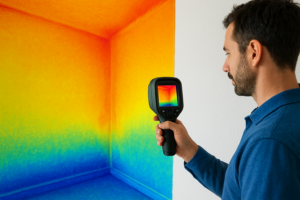
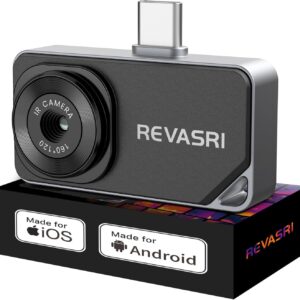
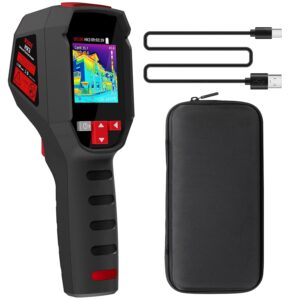
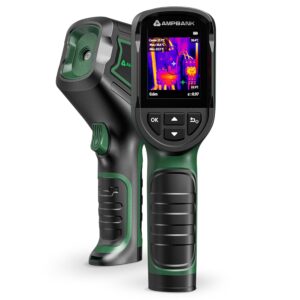
Thermal cameras reveal cold spots and heat signatures invisible to standard cameras, giving you visual documentation of temperature anomalies in real time. These devices excel at identifying drafts from windows or HVAC systems that explain reported cold sensations, but they struggle with reflective surfaces and distance accuracy. Temperature guns provide quick spot readings but only measure surface temperatures at the point you aim them, missing broader environmental patterns that full-spectrum thermal imaging captures across entire rooms.

Understanding each tool’s blind spots prevents you from building paranormal investigation techniques around unreliable data that crumbles under scrutiny.
A step-by-step investigation workflow
Every successful paranormal investigation follows a predictable pattern that maximizes evidence collection while minimizing wasted effort. Your workflow should begin days before you arrive at the location, continue through systematic on-site procedures, and extend into thorough post-investigation analysis that separates genuine anomalies from false positives.
Pre-investigation preparation
Research your location’s history through public records, news archives, and witness interviews before you set foot inside. This background work identifies potential trigger points and helps you formulate specific questions for EVP sessions. Pack your equipment checklist the night before, verify battery charges, and clear memory cards to avoid technical failures that derail investigations when you’re already on site.
On-site procedures
Conduct your baseline sweep immediately upon arrival, documenting all environmental readings before any investigation activity begins. Divide your team into pairs with assigned zones, ensuring each group carries communication devices and understands their data collection responsibilities. Run control recordings for at least 30 minutes in each key area before starting trigger sessions or active communication attempts with potential entities.
Structured workflows eliminate confusion during investigations and ensure you capture the evidence you need without overlooking critical documentation steps.
Post-investigation analysis
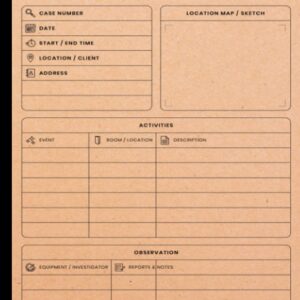
Review all footage within 48 hours while location details remain fresh in your memory, flagging timestamps where anomalies occur for deeper examination. Cross-reference unusual readings against your baseline data to eliminate explainable phenomena, then compile verified evidence into organized case files that other investigators can review and validate.

Where to go from here
Mastering paranormal investigation techniques takes practice, equipment testing, and consistent documentation across multiple locations. You’ve learned the core methods, understood what each tool can measure, and reviewed the step-by-step workflow that separates credible investigations from amateur wandering. Your next investigation should apply these structured approaches immediately, even if you’re working with basic equipment rather than a full professional kit.
Start by selecting a location with documented history and conduct your first baseline sweep using whatever tools you currently own. Document everything, review your recordings within two days, and identify where your equipment or technique needs improvement before your next investigation. Each session builds your understanding of how environmental factors interact with your gear and sharpens your ability to spot genuine anomalies.
Ready to upgrade your toolkit? Browse our tested investigation equipment to find EMF meters, thermal cameras, and audio recorders that deliver reliable results in the field.
Discover more from Haunt Gears
Subscribe to get the latest posts sent to your email.