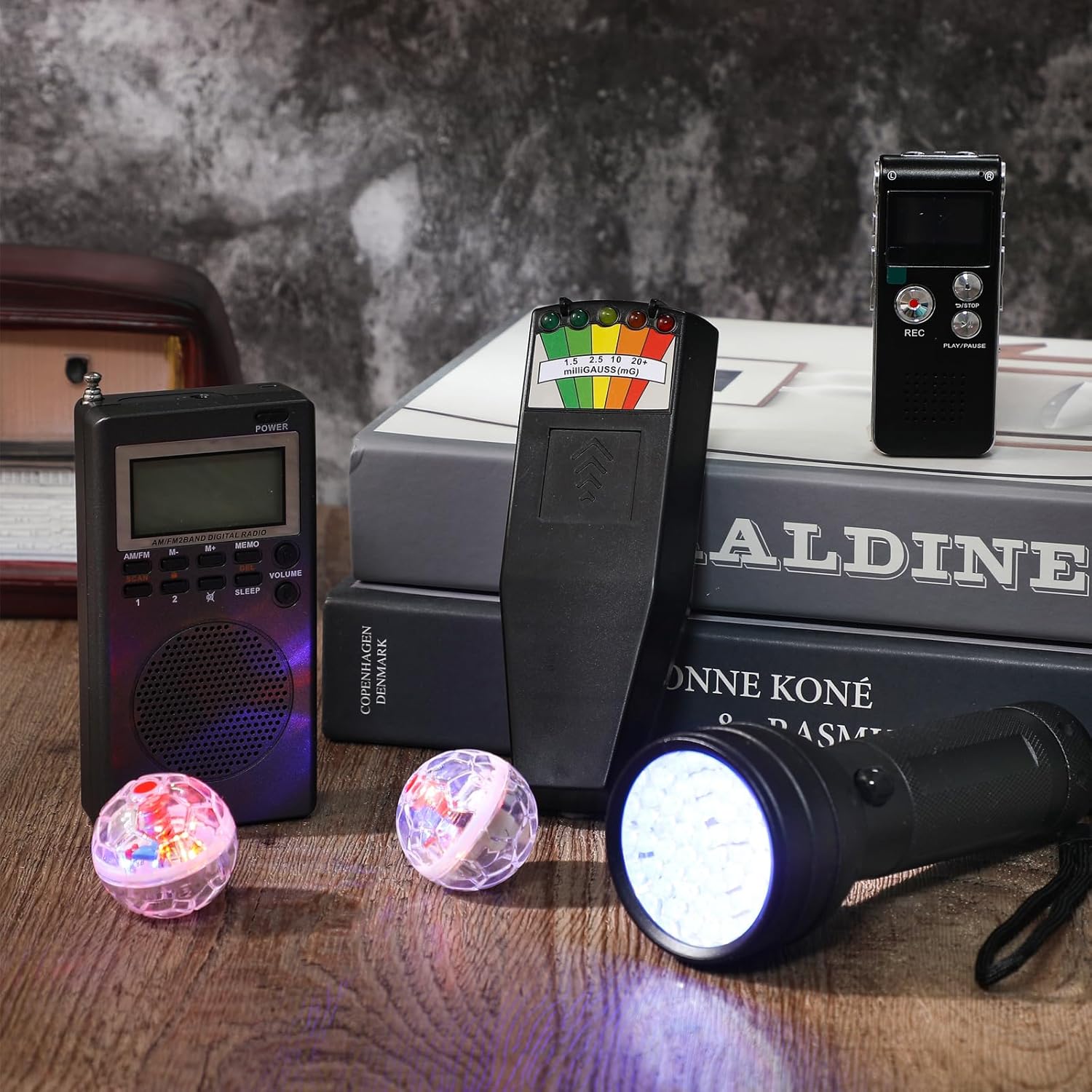
A spirit box session can go sideways fast when the device is doing all the talking and the investigator is doing too little control. That is usually where beginners get stuck. If you want to learn how to use a spirit box in a way that produces cleaner, more credible results, you need a method that treats it like one tool in a larger evidence process, not a magic answer machine.
A spirit box rapidly scans radio frequencies and creates a stream of chopped audio. Investigators listen for words, phrases, or responses that appear relevant to the environment or the questions being asked. The problem is obvious: radio contamination, suggestion, and pattern matching can all make random noise sound meaningful. That does not make the tool useless. It means your technique matters more than the device itself.
What a spirit box actually does
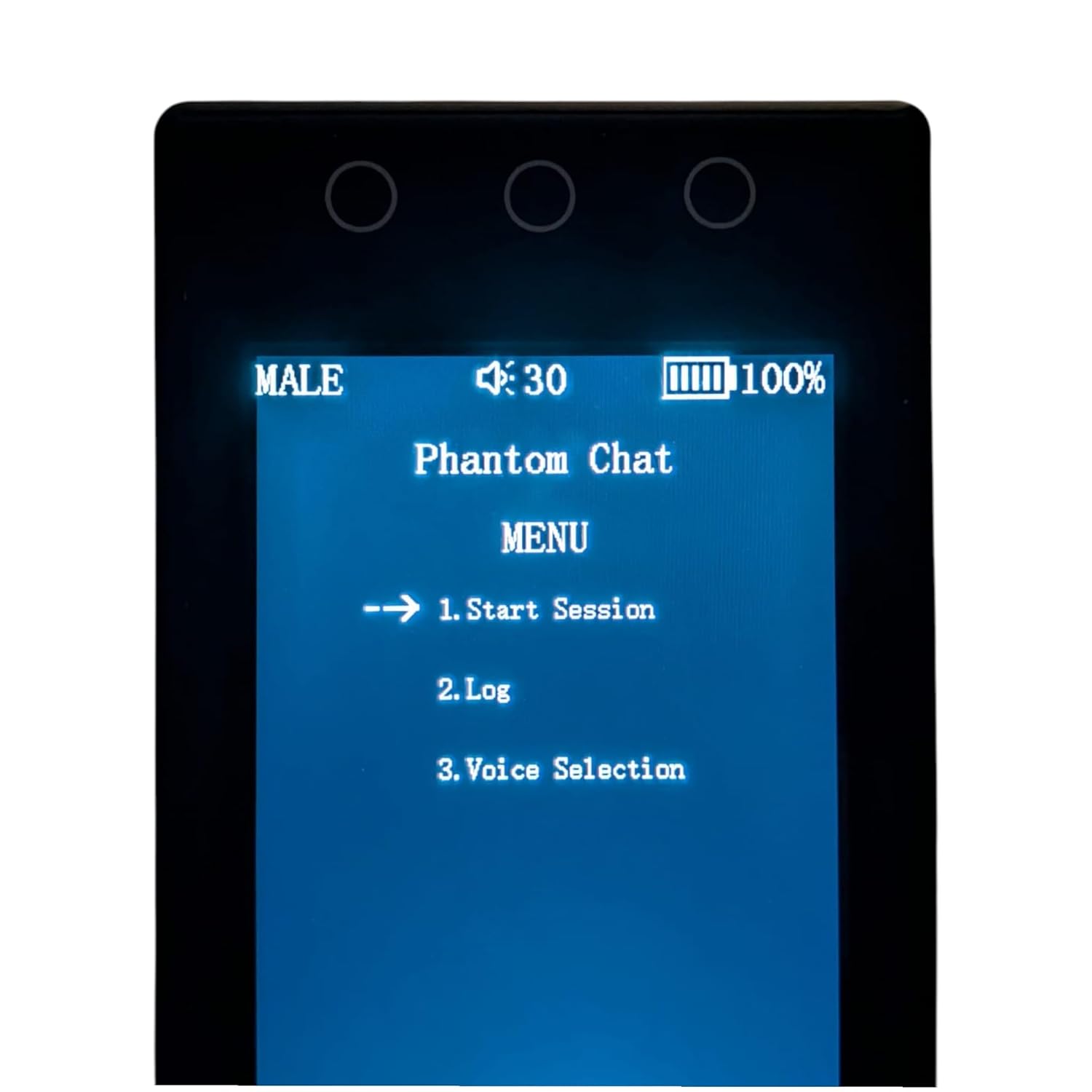
A spirit box is not detecting ghosts directly. It is sweeping through AM, FM, or both bands at a fast rate, producing fragments of broadcast audio and white noise. The theory, depending on who you ask, is that an entity may be able to manipulate those fragments to form communication. From an investigative standpoint, the safer position is simpler: the device creates an audio environment where potential anomalies can be observed, recorded, and reviewed.
That distinction matters because it changes how you work. If you assume every word is a message, your session becomes subjective almost immediately. If you assume every sound needs context, correlation, and review, your results become much more useful.
How to use a spirit box before you ask the first question
Preparation does more for session quality than most people realize. Start by choosing a location with manageable radio traffic. Urban environments can be noisy, and heavily populated areas often produce more false positives because there are simply more stations to sweep through. That does not mean you cannot investigate there, but it does mean you need tighter controls.
Do a baseline pass before the formal session begins. Turn on the spirit box, listen to the scan rate, and note how much clear radio bleed you are getting. If the box is pulling full words from strong stations every second, your environment may be too contaminated for useful real-time interpretation.
Set up audio recording independently of the spirit box. A digital recorder or camera-mounted audio track gives you a second source for review. If possible, place one recorder near the box and another closer to the lead investigator. This helps you separate the device output from spoken questions, room noise, and reactions.
It also helps to establish roles. One person asks questions, one monitors time and environmental conditions, and one logs responses. Even a two-person team is better off assigning these tasks clearly than improvising as they go.
Choosing settings that reduce noise
Many investigators focus too much on brand and not enough on settings. Sweep speed, frequency band, volume, and noise floor all affect how usable your session will be.
A faster sweep reduces how long the device lingers on a station, which can help limit full broadcast words. A slower sweep may produce clearer fragments, but it also increases the chance that what you hear is just ordinary radio content. There is no universal best setting. In a quiet rural location, a moderate sweep may be workable. In a busy metro area, faster is often the better control.
AM and FM each behave differently. AM can sound rougher and may produce more unstable fragments. FM often sounds cleaner but can carry stronger station content. If your device allows switching between bands, test both during baseline and log which one produces less obvious contamination.
Keep the volume high enough for everyone to hear, but not so high that it creates confusion in the room. If the box is blaring and people are talking over it, your recording review becomes harder than it needs to be.
Running a controlled spirit box session
The biggest mistake in spirit box work is rushing. Ask short, direct questions and leave space after each one. If you machine-gun ten questions in a row, any possible response becomes impossible to assign with confidence.
Use questions that can be evaluated clearly. Name-based prompts, location prompts, and yes-or-no questions are generally easier to review than broad, emotional prompts. “What is your name?” or “Are you in this room?” gives you a narrower frame than “Tell us your story.”
Timing matters. After each question, pause for several seconds and avoid commentary. Investigators often contaminate their own evidence by reacting too quickly, repeating what they think they heard, or steering the session with leading language. If someone says, “That sounded like Mary,” everyone else is now primed to hear Mary whether it was there or not.
A disciplined approach is to mark the time of any notable response but keep the session moving. Save interpretation for review. During the session, your job is collection, not confirmation.
How to use a spirit box with other tools
A spirit box becomes more valuable when it is not working alone. The strongest paranormal investigation workflow compares multiple data points instead of leaning on a single dramatic moment.
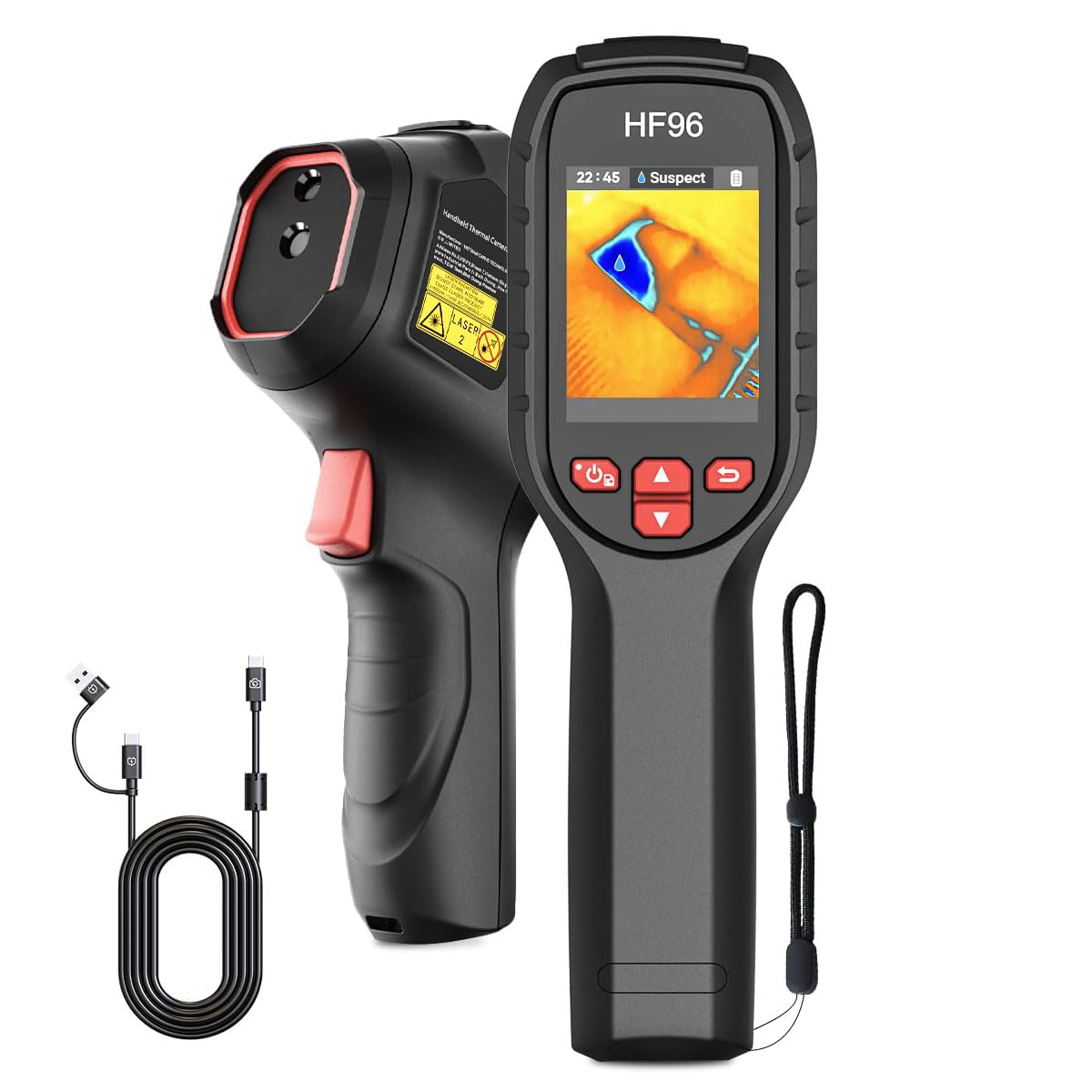
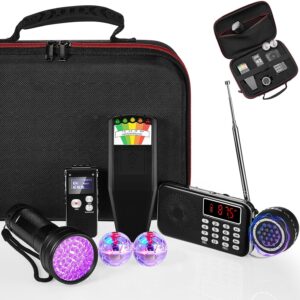
If you hear a relevant response on the spirit box at the same time an EMF meter spikes, a temperature change is logged, or a motion sensor triggers, that event deserves closer attention. Correlation does not prove causation, but it gives you a stronger reason to review the moment carefully.
Video is especially useful during spirit box sessions. It captures investigator placement, possible contamination sources, and the exact pacing of questions and responses. If someone shuffles, whispers, taps gear, or reacts before anyone else, that context may explain what sounded unusual on audio alone.
This is where a gear-first but evidence-focused approach pays off. A spirit box can be compelling, but only when it sits inside a controlled setup with logging, recording, and cross-checking. That is the standard serious teams aim for, and it is the standard Haunt Gears encourages readers to build toward.
Common false positives to watch for
Not every apparent response is meaningful. In fact, many are not. Radio bleed is the most obvious issue, especially when complete words or phrases come through too cleanly. If it sounds like normal broadcast speech, treat it with skepticism.
Pareidolia is another problem. The human brain is excellent at finding patterns in noise, especially when the room is already tense and everyone wants results. This is why silent review later matters so much. A phrase that seems obvious in the moment may sound much less convincing the next day.
Team contamination is also common. One investigator reacts, another repeats the supposed word, and within seconds the group has created consensus around a weak audio fragment. That is not evidence. That is social reinforcement.
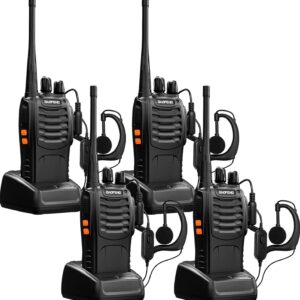
Environmental interference can be less obvious. Nearby phones, walkie talkies, routers, and even poorly managed equipment setups can affect your session. Put phones on airplane mode when possible, manage radio devices carefully, and document what powered equipment is active in the space.
Reviewing your results without fooling yourself
Good review is boring in the best way. Listen back with headphones. Note the exact timestamps of possible responses. Compare the independent recorder with the camera audio and your written log. Look for direct relevance to the question asked, not just isolated words that could fit anything.
Blind review can help. Have another team member listen to the clip without telling them what was asked or what others think they heard. If multiple listeners independently identify the same word or phrase, that does not settle the matter, but it does make the clip more interesting.
It is also worth grading your results. Some teams use categories like weak, notable, and strong based on clarity, relevance, and correlation with other data. That kind of internal standard keeps your case files more disciplined over time.
When a spirit box is worth using – and when it is not
A spirit box is useful when you have a reasonably controlled environment, a team that can stay disciplined, and supporting gear to document the session. It is less useful when you are alone in a noisy location, improvising without logs, and treating every fragment as a response.
There are also investigations where another tool may be the better first choice. If a site has heavy radio interference, you may get more usable data from static audio recording, temperature baselining, trigger objects, or structured EMF monitoring. The right tool depends on the environment and your goal.
That is the broader point. Learning how to use a spirit box is not just learning which button to press. It is learning how to ask better questions, create cleaner conditions, and reject weak results when they do not hold up.
If you approach the device with patience and controls, it can become a useful part of your field kit. Not because it guarantees communication, but because it gives you one more stream of data to test against the rest of your investigation.