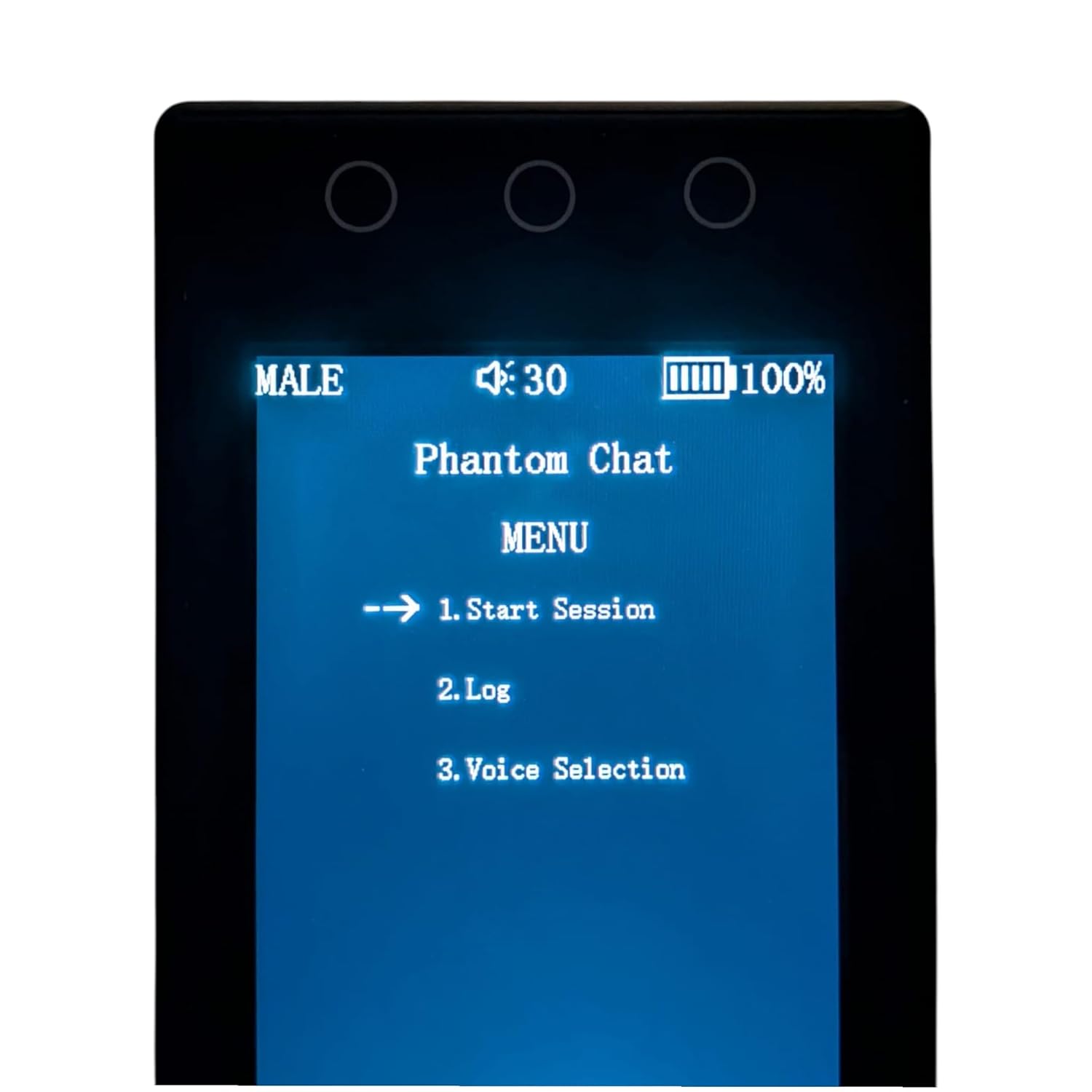
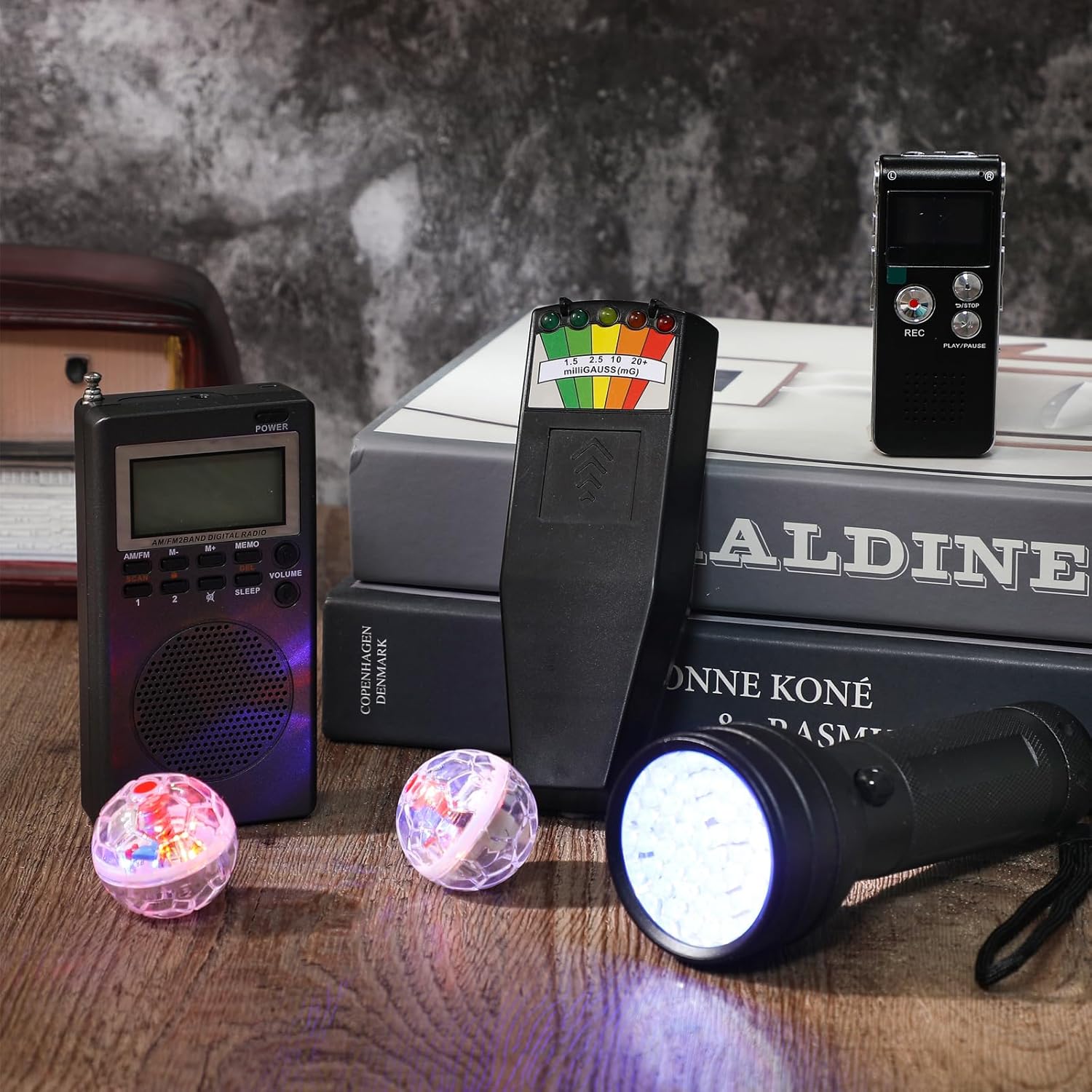
You hit record, leave the device in a quiet room, and on playback you hear a voice that wasn’t there. That experience is exactly why the term “EVP recorder” exists, and understanding the EVP recorder meaning starts with knowing what these devices actually pick up. EVP stands for Electronic Voice Phenomenon, referring to unexplained vocal sounds captured on audio recording equipment during paranormal investigations.
At Haunt Gears, we sell, test, and review the equipment investigators rely on to document evidence like this. So when someone asks what an EVP recorder is or how it works, we don’t answer from a script, we answer from hands-on experience with the gear itself. Whether you’re new to ghost hunting or you’ve been running investigations for years, having a clear grasp of this tool and the science behind it matters before you spend a dollar on equipment.
This guide breaks down what an EVP recorder is, how it captures audio anomalies, the different types available, and what to look for when choosing one. No fluff, just a straight explanation built on real knowledge of the tools we carry every day.
What an EVP recorder is and what it is not
An EVP recorder is an audio recording device used to capture sounds that aren’t audible during the investigation itself. The full evp recorder meaning comes down to function: it’s a tool designed to record ambient audio in a location and allow you to review that audio later for any sounds, voices, or anomalies that went undetected in real time. The device itself isn’t paranormal. It’s a piece of hardware that records sound, and what investigators find on playback is what generates the interest.
What an EVP recorder actually is
At its core, an EVP recorder is a digital audio recorder with a sensitive microphone, internal storage, and playback capability. Most investigators use dedicated handheld recorders rather than phones, because dedicated units offer higher audio fidelity, lower self-noise, and better control over recording settings like gain and sample rate. The recorder captures all ambient sound in a room during a session, including frequencies that human hearing might overlook in the moment.

The sensitivity of the microphone matters considerably. A recorder with a low noise floor picks up subtle sounds more clearly, which is why investigators prefer units with a signal-to-noise ratio above 80 dB. That level of sensitivity means the device captures detail that cheaper hardware misses entirely, whether that detail turns out to be a draft through a vent or something harder to explain.
A quality recorder isn’t just about capturing more sound; it’s about capturing cleaner sound, so you can actually analyze what you recorded without fighting through layers of background hiss.
What an EVP recorder is not
Understanding what these devices are not helps you avoid two common mistakes: overspending on the wrong gear and misidentifying normal sounds as paranormal evidence. An EVP recorder is not a specialized ghost-detecting machine. There’s no internal sensor that reacts to paranormal activity specifically. It records everything in the room, which is exactly why your session discipline matters as much as your equipment choice.
An EVP recorder is also not a spirit box or a white noise generator. These are separate tools entirely. A spirit box scans radio frequencies rapidly to produce fragmented audio that some investigators interpret as spirit communication. A recorder does the opposite: it captures a clean, unmanipulated audio track so you can review it without any signal processing applied to the source. Mixing up these tools leads to confusing evidence reviews and unreliable documentation.
Finally, an EVP recorder is not a substitute for proper investigative process. The recorder only produces useful data when you run sessions correctly: marking timestamps when you hear anything, logging environmental sounds like traffic or HVAC systems, and keeping the device stationary to minimize handling noise. The equipment is only as useful as the methodology you apply behind it.
How EVP recorders work in paranormal investigations
The basic mechanics of an EVP recorder are straightforward: the device converts ambient sound waves into a digital audio file using a built-in microphone and an analog-to-digital converter. During an investigation, you place the recorder in a target location and let it run continuously, capturing everything in the environment. The recorder doesn’t filter or interpret audio while it records; it simply stores an unprocessed file that you review after the session ends. That simplicity is what makes the format a reliable documentation method.
The role of microphone sensitivity
Microphone sensitivity is the single most important factor in what your recorder actually picks up. High-sensitivity microphones detect subtle pressure changes in the air that standard consumer hardware misses entirely. Most investigators prefer recorders with omnidirectional condenser microphones because they capture sound from every direction equally, reducing the chance of missing audio from an unexpected source in the room.
Your sample rate and bit depth also shape audio quality significantly. A 24-bit/48kHz recording captures a wider dynamic range than a standard 16-bit file, giving you far more detail to work with during analysis. When you’re looking for sounds that sit just above the noise floor, that extra resolution separates usable evidence from a guess.
Recording at the highest quality setting your device supports costs nothing beyond storage space, so there’s no reason to compromise on that during a session.
How recorded audio gets reviewed
Once your session ends, playback review is where the investigative work actually happens. You load the file into audio software and listen through the full recording, often at reduced speed to catch sounds that pass too quickly for real-time detection. Investigators also use waveform visualization to identify audio events visually before pressing play, which makes it faster to locate anomalies in a long session without scrubbing through hours of audio blindly.
Understanding this full cycle, from recording to review, is central to the evp recorder meaning in practice. The hardware completes only half the job; your analysis process is what determines whether the captured audio becomes credible, documented evidence.
Why people use EVP recorders and what they can capture
Investigators use EVP recorders because they document what human perception misses in real time. During an active session, your attention is split across multiple tools, environmental cues, and team communication. A continuously running recorder captures everything in the background without requiring your direct focus, which makes it the most reliable passive documentation tool available. The broader evp recorder meaning ties directly to this function: it bridges the gap between what you experience during an investigation and what you can actually prove afterward.
The types of sounds investigators look for
Not every anomaly sounds like a voice. Investigators report capturing a range of audio events that don’t match the environmental baseline they established at the start of the session. The most documented categories follow the Class A, B, and C classification system, ranked by clarity. Class A is clear enough that multiple listeners agree on what they hear without prompting. Class B audio requires more interpretation and often generates disagreement between reviewers. Class C is barely audible and rarely stands as standalone evidence.
The classification system matters because it keeps investigators honest about what they’ve captured, rather than treating every anomaly as definitive proof.
Recordings also frequently contain unexplained tonal sounds, knocking, or breath-like patterns that appear without a corresponding environmental source logged during the session. These non-voice anomalies get documented alongside EVP and reviewed with the same scrutiny as anything that resembles speech.
Why a recorder outperforms memory alone
Human memory under stress is unreliable. When you’re moving through a dark location with elevated attention and competing sensory input, your recall of what you heard shifts considerably by the time you sit down to review notes hours later. A recorder provides an objective, timestamped audio log that doesn’t change based on how the session felt emotionally.
That objectivity separates documentation from anecdote. Serious investigators treat the recorder as foundational gear because without it, your experience stays personal and unverifiable, which carries no weight in any evidence review.
How to record EVP with clear, usable audio
Getting a clean recording requires preparation before you ever hit record. The evp recorder meaning extends beyond the device itself. It includes the conditions you create around it during a session. Before you start, walk the location and identify every environmental sound source: HVAC systems, exterior traffic, plumbing, and appliances. Log these in writing so you can cross-reference them during audio review and rule out ordinary explanations before treating anything as significant.
Skipping your baseline survey is the fastest way to waste a full session of recordings on sounds you’ll never be able to rule out.
Set your recorder up correctly
Position matters more than most beginners realize. Place your recorder on a stable, flat surface rather than holding it in your hand, because handling noise creates constant low-frequency interference that contaminates an entire file. Set your recording format to WAV rather than MP3 if your device supports it, since WAV files store uncompressed audio that preserves the full detail you need during analysis. If your recorder has adjustable gain, set it high enough to capture ambient sound clearly without letting background hiss dominate the track.

Avoid placing the device near air vents, doorways, or surfaces that vibrate from mechanical sources in the building. These positions introduce consistent background noise that overlaps with the frequency range where most audio anomalies appear, making analysis significantly harder once your session ends.
Run your session with discipline
Once the recorder is running, announce timestamps out loud every time something happens: a team member moves, a door opens, or you hear anything notable. These verbal markers become your reference points during review. Speaking clearly into the recorder when you make an observation protects you from misidentifying your own voice as an anomaly later.
Keep your session length realistic. Sessions longer than two hours generate so much audio that review becomes exhausting, which raises the chance of missing genuine anomalies or labeling noise as something it isn’t. Shorter, focused sessions with solid environmental control consistently produce higher-quality, reviewable files than marathon recordings run without structure or discipline.
How to review recordings and avoid false EVP
Review is where the evp recorder meaning becomes fully realized, because the recorder only produces value if you analyze what it captured with the same discipline you applied during the session. Load your file into a free audio editor like Audacity before you start listening, so you can work with the waveform visually and isolate sections without scrubbing through the entire recording in real time.
Listen with the right tools
Use good-quality headphones rather than speakers when you review audio. Headphones isolate subtle sounds that room acoustics absorb or distort, which means you’ll catch low-amplitude anomalies that disappear entirely on a laptop speaker. Listen through the full file once at normal speed to mark timestamps where anything stands out, then return to those sections and slow the playback down to 50 to 75 percent speed for closer analysis.
Waveform visualization speeds up this process significantly. Genuine audio events appear as visible spikes in the waveform, which lets you spot activity quickly instead of listening through long stretches of silence. Once you identify a spike, zoom in and isolate that segment before drawing any conclusions about what it contains.
Your first impression of an anomaly is often wrong, so always verify against your session log before treating anything as unexplained.
Identify and rule out false EVP
False EVP is more common than most beginners expect, and ruling it out is the core discipline of responsible audio review. Pareidolia, the brain’s tendency to find recognizable patterns in random noise, causes investigators to hear voices in wind, pipe vibrations, or electrical interference on the recording. Before you classify anything as a genuine anomaly, pull up your environmental baseline log and compare the timestamp of the sound against every source you documented during setup.
Handling noise, clothing friction, and investigator whispers are the three most frequent sources of false EVP in field recordings. Cross-reference any questionable audio with your verbal timestamp markers. If a team member spoke near the recorder at the same moment you’re analyzing, the source is already explained.

Where to go from here
The full evp recorder meaning covers more than a dictionary definition. It includes understanding how the hardware captures audio, how your session discipline shapes what you record, and how your review process determines whether that audio becomes credible evidence. You now have a working foundation across all three areas, which puts you ahead of most people who pick up a recorder without any background in how to use one effectively.
Your next step is straightforward: get the right equipment in your hands and start running sessions. Reading about technique only takes you so far. Actual fieldwork, reviewed against the principles in this guide, builds the practical skill that no article can fully replace. If you’re ready to choose a recorder or put together a full investigation kit, browse the paranormal investigation gear available at Haunt Gears and find the tools that match your experience level and investigation goals.