If you are building a field kit on a budget, it is natural to ask: can a cell phone detect emf well enough to be useful on an investigation? The short answer is yes, but only in a limited way. A smartphone can detect certain magnetic fields through its built-in magnetometer, but that does not make it a full EMF meter, and treating it like one can create bad data fast.
That distinction matters in paranormal work. EMF is one of the most commonly used indicators during investigations, but it is also one of the easiest readings to contaminate. Wiring in the walls, appliances, routers, power strips, radios, and even your own gear can create spikes that look dramatic without meaning much. If your goal is better evidence instead of random alerts, you need to know exactly what your phone is and is not measuring.
Can a cell phone detect EMF or just magnetic fields?
Most smartphones have a magnetometer. Its main job is to support compass apps and orientation features. That sensor can detect changes in magnetic flux density, which is why many so-called EMF apps can show movement when you bring the phone near a speaker, refrigerator motor, metal detector, or strong electrical source.
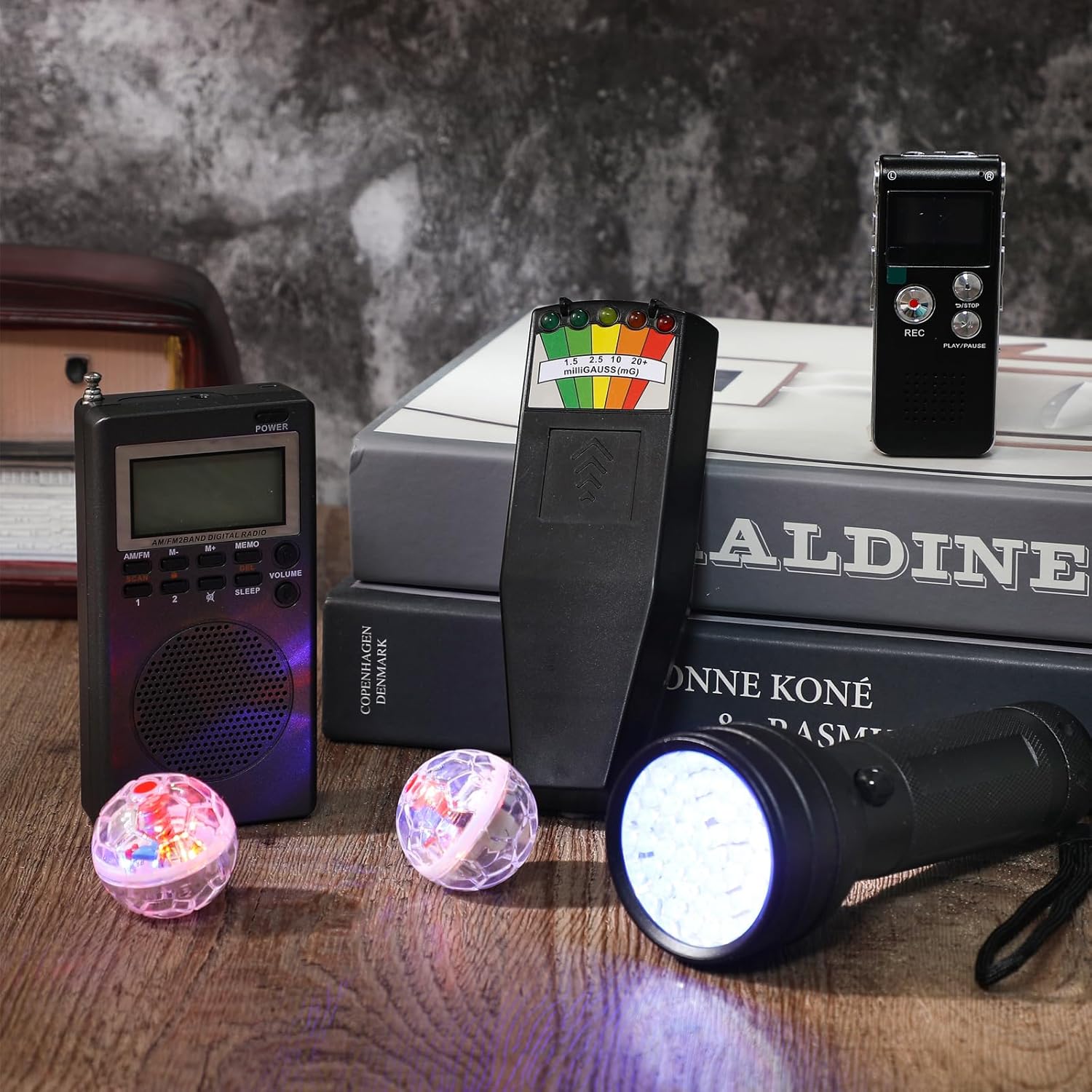
What it usually cannot do is replicate the full function of a dedicated EMF meter. A proper EMF meter may measure low-frequency electromagnetic fields from AC wiring, electric fields, radio frequency energy, or some combination of those, depending on the model. A phone app typically relies on the magnetometer alone, which means it is mostly responding to magnetic fields and not giving you a broad, calibrated picture of the environment.
That is where confusion starts. In casual use, people often treat EMF as one catch-all term. In actual equipment use, the category is broader. If your phone is reading only one slice of that category, then calling it a complete EMF detector is misleading.
What a phone can do well in the field
A smartphone can be helpful for quick environmental checks. If you are walking through a location and want to identify obvious magnetic hotspots, a phone app may help you notice that a breaker panel, large appliance, power transformer, or hidden speaker is producing an elevated reading.
That has real value during a baseline sweep. Before you start a session, you want to know where natural contamination already exists. If a hallway corner keeps producing spikes, it is better to discover that during setup than to mistake it for activity later. In that specific role, a phone can act as a rough screening tool.
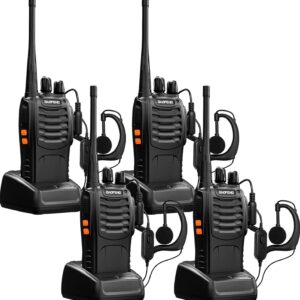
It can also help newer investigators understand how easy it is to create false positives. Move your phone near a laptop, flashlight, walkie talkie, car, or even certain metal fixtures, and the reading may jump. That is a practical lesson in why disciplined controls matter.
Where smartphone EMF apps fall short
The biggest problem is consistency. Phone sensors vary by manufacturer, model, and build quality. One phone may react strongly near a source while another barely moves. Even the same app can behave differently across devices because the hardware underneath is different.
Calibration is another issue. Many apps present numbers that look technical, but the display can create more confidence than the phone deserves. A dedicated meter is designed around measurement. A phone is designed around communication, navigation, and consumer convenience. Those are not the same design priorities.
There is also the problem of interference from the phone itself. Smartphones are packed with radios and electronics. Cellular signals, Wi-Fi, Bluetooth, internal components, and nearby accessories can all complicate readings. If you are trying to document a clean environmental change, using a device that constantly emits and receives signals introduces a control problem from the start.
Response range is limited too. Many paranormal investigators use tri-field or dedicated EMF meters because they want a clearer picture of environmental conditions, not just a rough magnetic reaction. A phone cannot replace that wider capability.
Why this matters in paranormal investigations
In ghost hunting, bad measurement habits lead to bad conclusions. If a phone app spikes in a bedroom and you label that as evidence without checking wiring, electronics, or structural sources, you are not documenting a meaningful event. You are recording an unresolved anomaly at best.
Serious investigators work from baseline to trigger, not the other way around. First, map the environment. Second, identify known sources. Third, control what gear is active. Fourth, watch for changes that stand out from the established pattern. A smartphone can support the first step a little, but it is weak as a primary measurement tool.
That is why experienced teams tend to use purpose-built meters when EMF is central to the session. A real meter gives you stronger repeatability, clearer sensitivity, and fewer doubts about whether the reading came from the instrument itself.
Can a cell phone detect EMF accurately enough to replace a meter?
For most investigation work, no. It can detect some magnetic disturbances, and that can be useful in a narrow sense, but it is not accurate enough to replace a dedicated EMF meter when documentation matters.
The key phrase is replace a meter. If you only need a rough scan of a room before unpacking gear, a phone may be enough to point out obvious problem areas. If you are trying to log readings during a live session, compare locations, or support a claim with stronger documentation, a dedicated meter is the better tool.
That trade-off is worth understanding because a lot of beginners buy an app and assume they have covered EMF. In reality, they have covered only a small piece of the job.
Best use case for a phone during an investigation
The smartest way to use a phone is as a secondary convenience tool, not as your evidence standard. Use it during prep to identify obvious magnetic contamination. Then verify with proper equipment if the area is going to matter to your investigation.
You should also keep your method tight. Put the phone in airplane mode if possible. Keep it away from other electronics while testing. Do not hold it right next to radios, battery packs, or powered accessories and then act surprised by a spike. Record what was active in the room. If a reading changes, try to reproduce it.
That last point matters more than people think. Repeatability does not prove a paranormal cause, but it does help rule out sloppy handling. If a spike happens once and never again, you have a weak data point. If it happens under the same conditions every time, you may have found an environmental source that needs to be documented and controlled.
When to upgrade to a dedicated EMF meter
If EMF is going to be part of your regular workflow, upgrade early. The moment you start doing repeat investigations, working with a team, or trying to compare locations over time, a real meter pays for itself in cleaner data.
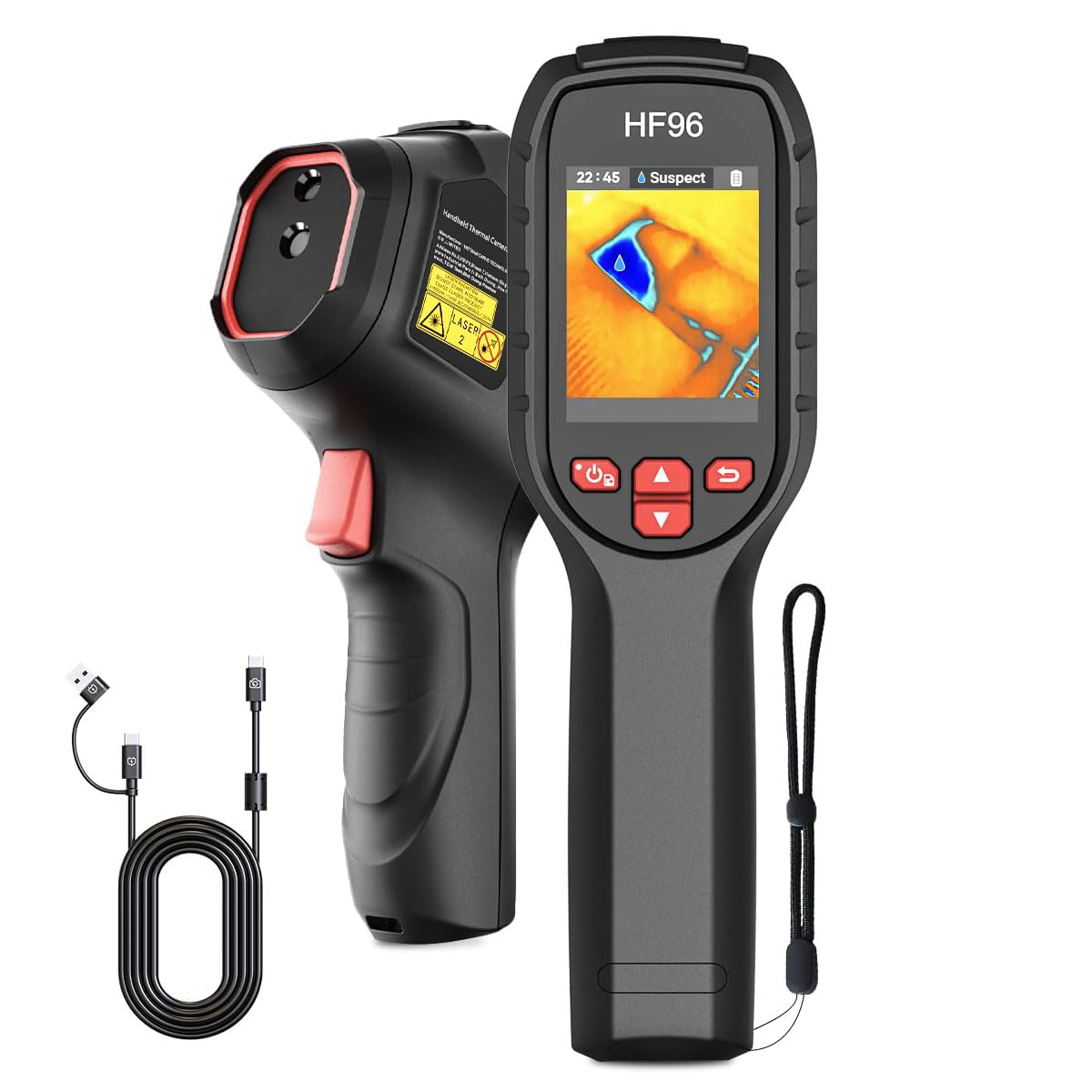
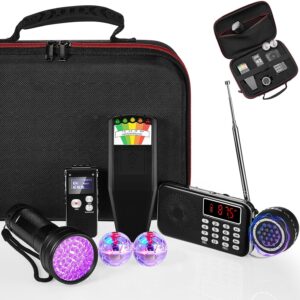
Look for gear that is known for stable readings, clear displays, and field-friendly operation. You do not need the most expensive instrument on day one, but you do need something designed to measure more reliably than a phone sensor. For paranormal investigators, that usually means choosing a dedicated handheld unit over app-based shortcuts.
This is especially true if you are pairing EMF readings with audio, temperature shifts, motion alerts, or trigger-object sessions. The stronger your workflow, the more each data point needs to hold up on review. Weak tools create weak chains of evidence.
At Haunt Gears, that is the difference between collecting interesting noise and building a kit that actually supports disciplined investigation.
A better standard for evidence-focused teams
There is nothing wrong with using the tools you already own to learn the basics. A smartphone can teach you where contamination comes from and how sensitive magnetic readings can be to ordinary environmental sources. That alone can make you a better investigator.
But if you are serious about reducing false positives, a phone should stay in the support category. It is a convenience device, not a measurement standard. Use it to scout, compare, and get a rough sense of the space. When the reading matters, reach for equipment built for the job.
Better investigations usually come down to one habit: treating every reading as something that needs context before it deserves meaning.